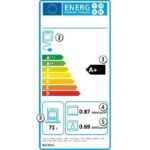
In this article, we will explore the key signs that indicate your dryer may need repair or even replacement. Recognizing these early warning signals can help you avoid costly repairs or the inconvenience of a malfunctioning appliance. We’ll discuss common issues such as unusual noises, drying inefficiency, and safety concerns, as well as provide helpful suggestions for determining whether to fix your current dryer or invest in a new one. Stay tuned for valuable insights to ensure your laundry routine runs smoothly!
Common Symptoms of Dryer Issues
When your dryer starts to show signs of trouble, it can lead to frustration and inconvenience. Recognizing the common symptoms of dryer issues can help you address problems early and possibly save on repair costs. Here are some typical signs that your dryer may need attention:
- Long Drying Times: If your clothes are taking longer than usual to dry, it could indicate a blocked vent, a malfunctioning heating element, or a worn-out belt.
- Strange Noises: Unusual sounds, such as grinding, squeaking, or thumping, can signal worn-out parts or that something is caught in the drum.
- Overheating: If your dryer feels excessively hot to the touch or is producing smoke, it’s crucial to stop using it immediately and inspect it for potential hazards.
- No Heat: If your dryer is running but not producing heat, it might be a problem with the heating element, thermostat, or thermal fuse.
- Burning Smell: A burning odor can indicate electrical issues or an overheated motor, which requires urgent attention.
When to Repair vs. Replace
Deciding between repairing your dryer or investing in a new one can be daunting. Consider the following factors to make an informed choice:
- Age of the Dryer: If your dryer is over 10 years old, it might be more cost-effective to replace it, especially if repairs are extensive.
- Cost of Repairs: If the repair costs exceed 50% of the cost of a new dryer, replacement might be the better option.
- Frequency of Repairs: If you’ve had to fix your dryer multiple times in a short period, it may be time to consider a new model.
- Energy Efficiency: Newer dryers are often more energy-efficient, which can save you money on utility bills in the long run.
DIY Troubleshooting Tips
Before calling a professional, there are some simple troubleshooting steps you can take to identify and potentially fix minor dryer issues:
- Check the Power Supply: Ensure that the dryer is plugged in and that the circuit breaker hasn’t tripped.
- Inspect the Ventilation: A clogged vent can significantly affect dryer performance. Clean the lint trap and check the venting system for blockages.
- Examine the Door Seal: Ensure that the door closes securely, as a faulty seal can prevent the dryer from heating properly.
- Test the Heating Element: If your dryer isn’t heating, use a multimeter to test the heating element for continuity.
Cost of Dryer Repairs
Understanding the potential costs associated with dryer repairs can help you budget accordingly. Here’s a breakdown of common repair expenses:
- Heating Element Replacement: $100 – $300
- Thermostat Replacement: $75 – $200
- Drum Belt Replacement: $100 – $200
- Lint Trap Cleaning: $75 – $150
- Professional Service Call: $50 – $150 (usually applied to the total repair cost)
Keep in mind that these costs can vary based on the type of dryer and the rates of local repair services.
Choosing a New Dryer
If you decide to replace your dryer, here are key factors to consider:
- Type: Choose between a traditional vented dryer, a ventless dryer, or a washer-dryer combo based on your space and laundry needs.
- Energy Efficiency: Look for ENERGY STAR® certified models that use less energy and can save you money on utility bills.
- Capacity: Consider the size of your household and how much laundry you typically do to select an appropriate capacity.
- Features: Some dryers come with advanced features like steam cycles, smart technology, or moisture sensors, which can enhance performance.
For more tips on selecting the right dryer for your needs, check out our product section on our website.
Maintenance Tips for Longevity
Proper maintenance can extend the life of your dryer and keep it running efficiently. Here are some maintenance tips:
- Clean the Lint Filter: Always clean the lint trap after every use to prevent fires and improve efficiency.
- Inspect the Vent System: Regularly check and clean the dryer vent to ensure proper airflow and reduce drying time.
- Check the Drum Seals: Inspect the drum seals for wear and tear, and replace them if necessary to avoid heat loss.
- Schedule Professional Maintenance: Consider having a professional inspect your dryer annually to catch potential issues early.
Professional Repair Services
If your DIY troubleshooting doesn’t resolve the issue, it might be the right moment to contact the professionals. Search for licensed and insured repair services in your vicinity. Here are several tips for selecting a reputable repair service:
- Read Reviews: Look at online reviews and ratings to assess the quality of service.
- Get Estimates: Ask for estimates from various repair services to compare costs before making a choice.
- Check Certifications: Verify that the technicians are certified and trained to handle your specific dryer model.
By recognizing the common symptoms of dryer problems, understanding when to repair or replace, and adhering to maintenance tips, you can keep your dryer operating efficiently for many years. For further information and ideas, be sure to explore our website and check out our product section!