
In this article, we will examine the effectiveness of HEPA air purifiers in reducing allergy symptoms and enhancing indoor air quality. We will investigate how these devices function, their advantages for those with allergies, and whether they genuinely fulfill the promises made by manufacturers. Furthermore, we will offer advice on what to keep in mind when selecting a HEPA air purifier and provide tips for optimizing its performance in your home.
Understanding HEPA Technology
HEPA, which stands for High-Efficiency Particulate Air, is a filtration technology specifically designed to trap a minimum of 99.97% of particles that measure 0.3 microns in size. This includes dust, pollen, pet dander, smoke, and other allergens that can significantly affect indoor air quality. The effectiveness of HEPA filters stems from their dense fiber composition, which captures airborne particles through a combination of diffusion, interception, and inertial impaction.
It’s crucial to understand that not all air purifiers are created equal. For a filter to be classified as HEPA, it must meet specific standards set by the U.S. Department of Energy. This means that when you invest in a HEPA air purifier, you are opting for a proven technology that can significantly enhance your home’s air quality.
Benefits for Allergy Sufferers
For individuals with allergies, HEPA air purifiers can offer numerous benefits:
- Reduction in Allergens: HEPA filters effectively capture common allergens such as pollen, mold spores, and pet dander, which can help alleviate symptoms for allergy sufferers.
- Improved Respiratory Health: By removing airborne pollutants, HEPA purifiers can contribute to better respiratory health, particularly for those with asthma or other breathing difficulties.
- Odor Elimination: While HEPA filters are not designed specifically to remove odors, many units incorporate activated carbon filters that can help eliminate unpleasant smells in addition to trapping particles.
- Peace of Mind: Knowing that your air quality is being actively improved can provide peace of mind, particularly during allergy seasons.
Choosing the Right HEPA Purifier
Selecting the right HEPA air purifier can be overwhelming due to the variety of options available. Here are some key factors to consider:
- Room Size: Ensure that the air purifier is suitable for the size of the room where it will be used. Check the Clean Air Delivery Rate (CADR) to gauge its effectiveness.
- Filter Replacement: Research how often filters need to be replaced and the associated costs, as this can impact long-term maintenance expenses.
- Noise Level: Consider the noise level of the unit, especially if it will be placed in a bedroom or quiet space.
- Additional Features: Some models offer features like air quality sensors, automatic adjustments, and smart connectivity, which may enhance your experience.
Maintenance and Care Tips
To ensure that your HEPA air purifier operates effectively, regular maintenance is essential. Here are some tips:
- Regular Filter Changes: Follow the manufacturer’s guidelines for filter replacement to maintain optimal performance.
- Clean the Pre-Filter: If your unit has a pre-filter, clean it regularly to prolong the life of the HEPA filter.
- Keep it Unobstructed: Make sure the air purifier is placed in a location where airflow is not blocked by furniture or other objects.
- Monitor Air Quality: Use air quality monitors to assess the effectiveness of your purifier and make adjustments as needed.
Comparing HEPA with Other Filters
While HEPA filters are highly effective, there are other types of air filters available. Here’s a quick comparison:
- Activated Carbon Filters: These filters excel at absorbing odors and chemicals but are less effective at trapping particulate matter compared to HEPA filters.
- UV Filters: UV filters kill bacteria and viruses but do not remove particulate allergens, making them less suitable for allergy relief.
- Electrostatic Filters: These filters use static electricity to capture particles but may not meet the stringent HEPA standards for effectiveness.
Real-Life User Experiences
Many users have shared their experiences with HEPA air purifiers, particularly in relation to allergy relief:
- Improved Sleep: Users have reported better sleep quality when using a HEPA purifier in their bedrooms, citing reduced nighttime allergy symptoms.
- Fewer Allergy Attacks: Some individuals have experienced a noticeable decrease in allergy attacks during peak seasons after implementing a HEPA purifier in their home.
- Cleaner Home Environment: Many users appreciate the overall cleanliness of their home environment, with fewer dust particles settling on surfaces.
Cost vs. Value Analysis
When considering a HEPA air purifier, it’s essential to weigh the initial cost against the potential health benefits:
- Initial Investment: High-quality HEPA air purifiers can range from $100 to over $1,000, depending on features and room size coverage.
- Long-Term Savings: Investing in a HEPA purifier may reduce healthcare costs related to allergy treatments and respiratory issues.
- Quality of Life: The potential improvement in quality of life—better sleep, fewer allergy symptoms—can justify the cost for many users.
Conclusion and Recommendations
In conclusion, HEPA air purifiers can be a worthwhile investment for allergy sufferers, offering significant benefits in terms of air quality and overall health. When choosing the right unit, consider factors like room size and maintenance requirements. Regular upkeep will ensure that your purifier operates at peak efficiency.
If you’re interested in exploring a selection of HEPA air purifiers, we encourage you to browse our product section on our website for more information. Understanding your needs and the technology available can help you make an informed decision that contributes to a healthier living environment.
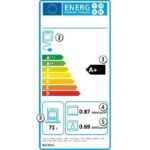 How to Read Appliance Energy Labels
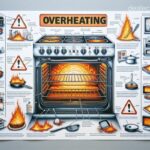 What Causes Appliances to Overheat?
 How to Organize a Freezer Efficiently