
In this article, we will explore the best ways to save money on your appliance electricity use, helping you reduce your energy bills while also being more environmentally friendly. We will cover practical tips, strategies, and suggestions that you can easily implement in your home. From optimizing appliance usage to investing in energy-efficient models, you’ll discover actionable ideas to make your household more energy-conscious and cost-effective.
Understanding Appliance Energy Consumption
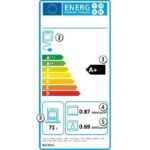
Appliances are integral to our daily lives, making tasks easier and more efficient. However, they are also significant contributors to our energy bills. Understanding how much energy your appliances consume is crucial for managing costs and promoting sustainability. Appliance energy consumption is usually measured in kilowatt-hours (kWh). Each appliance has a different energy rating, which can help you estimate its impact on your electricity usage.
Most household appliances can be categorized into three types based on their energy consumption:
- High Consumption Appliances: These include refrigerators, water heaters, and HVAC systems, which typically use a large amount of energy.
- Moderate Consumption Appliances: Dishwashers, washing machines, and dryers fall into this category, consuming a fair amount of energy but not as much as high-consumption appliances.
- Low Consumption Appliances: Items like microwaves, toasters, and coffee makers generally use less energy per use but can add up with frequent use.
Tips for Energy-Efficient Appliances
Investing in energy-efficient appliances can significantly reduce your energy consumption. Here are some tips to consider:
- Look for Energy Star Ratings: Appliances with an Energy Star label meet strict energy efficiency guidelines set by the U.S. Environmental Protection Agency.
- Consider Size and Capacity: Choose appliances that are appropriately sized for your household needs. Oversized appliances can waste energy.
- Choose the Right Features: Some features, like sensors that adjust energy use based on load size, can help save electricity.
Smart Usage Habits to Reduce Costs
In addition to selecting energy-efficient appliances, adopting smart usage habits can further decrease your energy costs:
- Turn Off Appliances When Not in Use: Unplug devices or use power strips to eliminate phantom loads that consume energy even when appliances are off.
- Use Appliances During Off-Peak Hours: Many utility companies charge less for energy used during off-peak hours. Check your local rates and adjust your appliance usage accordingly.
- Load Appliances Fully: Whether it’s a washing machine or dishwasher, running full loads maximizes energy efficiency.
Importance of Regular Maintenance
Regular maintenance of your appliances can help them operate more efficiently, thereby saving energy and money:
- Clean Filters and Vents: Clogged filters in your HVAC system or dryer can hinder performance and increase energy consumption.
- Inspect Seals and Gaskets: Ensure that refrigerator and oven seals are in good condition to prevent energy loss.
- Schedule Professional Inspections: Regular checks by a qualified technician can identify inefficiencies and prolong the lifespan of your appliances.
Utilizing Energy-Saving Settings
Many modern appliances come equipped with energy-saving settings designed to enhance their performance while minimizing energy usage:
- Eco Mode: Activate eco modes on washing machines or dishwashers to significantly reduce water and energy consumption.
- Temperature Settings: Modify the temperature settings on your refrigerator and freezer to the recommended levels (typically 37°F for the refrigerator and 0°F for the freezer).
- Smart Controls: Numerous appliances now feature smart capabilities that enable you to manage energy usage remotely or establish operation schedules.
Exploring Renewable Energy Options
Integrating renewable energy sources into your home can further reduce your reliance on traditional energy and lower your electricity bills:
- Solar Panels: Installing solar panels allows you to harness solar energy, significantly reducing your dependence on grid electricity.
- Wind Turbines: If feasible, small wind turbines can generate electricity for your home, reducing energy costs.
- Energy Storage Systems: Battery storage systems can store excess energy generated from renewable sources for use when needed.
Benefits of Upgrading Old Appliances
Old appliances are often less energy-efficient than their modern counterparts. Upgrading can offer several benefits:
- Lower Energy Bills: New appliances are designed to use less energy, ultimately reducing your utility costs.
- Enhanced Features: Modern appliances often come with advanced features that improve performance and convenience.
- Environmental Impact: Upgrading to energy-efficient models helps reduce your carbon footprint.
Government Incentives and Rebates
Many governments provide incentives and rebates for homeowners who upgrade to energy-efficient appliances or install renewable energy systems. These programs can greatly offset the initial costs:
- Federal Tax Credits: Verify your eligibility for federal tax credits related to energy-efficient appliances or renewable energy systems.
- State and Local Rebates: Numerous states and municipalities offer rebates for energy-efficient appliances. Investigate programs in your area to maximize savings.
- Utility Company Incentives: Certain utility companies provide incentives for customers aiming to reduce energy consumption. Reach out to your provider for further details.
For more tips and information about appliances and energy efficiency, be sure to check out our product section on our website!
 Are HEPA Air Purifiers Worth It for Allergies?
 How to Read Appliance Energy Labels
 What Causes Appliances to Overheat?