
In this article, we will explore the complexities of appliance warranties, revealing what they genuinely cover and what you can anticipate regarding repairs or replacements. By examining the various types of warranties and highlighting common exclusions and limitations, we aim to provide you with essential insights and recommendations to make well-informed choices about your appliance investments. Whether you are contemplating the purchase of a new appliance or assessing your current warranty, this guide is designed to clarify the often-murky world of appliance warranties.
Understanding Appliance Warranties
Appliance warranties serve as a safety net for consumers, providing coverage against unexpected repair costs and malfunctions. When purchasing a major appliance, like a refrigerator or washing machine, understanding the warranty is crucial. Warranties can vary significantly in terms of coverage, duration, and terms, making it essential for consumers to read the fine print. In this article, we will explore the different aspects of appliance warranties, helping you make informed decisions regarding your appliances.
Common Coverage Areas
While warranty provisions can differ, most appliance warranties cover the following common areas:
- Parts and Labor: Many warranties cover the cost of parts and labor needed for repairs, ensuring you won’t be burdened by unexpected expenses.
- Mechanical Failures: This includes breakdowns and malfunctions that occur due to normal wear and tear.
- Defective Materials: If an appliance fails due to faulty materials or workmanship, warranty coverage typically applies.
- In-Home Service: Most warranties provide for in-home repair services, sparing you the hassle of transporting large appliances.
Exclusions to Be Aware Of
While warranties offer peace of mind, they also come with exclusions that consumers should be aware of:
- Accidental Damage: Damage caused by misuse, accidents, or natural disasters is often not covered.
- Commercial Use: Warranties are typically valid for residential use only; using an appliance in a commercial setting may void the warranty.
- Cosmetic Damage: Scratches, dents, and other aesthetic issues usually fall outside warranty coverage.
- Improper Installation: If an appliance is not installed correctly, any resulting issues may not be covered.
How to File a Claim
Filing a warranty claim can be a straightforward process if you follow these steps:
- Gather Documentation: Have your warranty information, receipt, and any relevant documentation ready.
- Contact the Manufacturer: Reach out to the customer service department of the appliance manufacturer or warranty provider.
- Provide Details: Be prepared to describe the issue with your appliance and provide your warranty information.
- Follow Instructions: The representative will guide you through the next steps, which may include scheduling a service appointment.
Tips for Choosing the Right Warranty
Selecting an appropriate warranty can save you time and money in the long run. Here are some tips to help you choose wisely:
- Evaluate Coverage: Compare what is covered under different warranties, focusing on your specific needs and the appliances you own.
- Read Reviews: Look for customer reviews and feedback on warranty providers to gauge their reliability and service quality.
- Consider Duration: Consider how long the warranty lasts and whether you might need an extended warranty for high-use appliances.
- Assess Costs: Weigh the cost of the warranty against potential repair expenses. Sometimes, it might be more cost-effective to save for a repair fund.
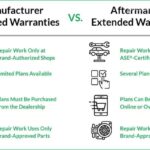
Manufacturer vs. Third-Party Warranties
When it comes to warranties, consumers generally have two main options: manufacturer warranties and third-party warranties. Each type has its unique advantages and disadvantages:
- Manufacturer Warranties:
- Typically, these are included with the purchase of an appliance.
- They often cover repairs and parts directly from the manufacturer, ensuring quality service.
- Third-Party Warranties:
- These warranties can be purchased separately and may offer more flexibility in terms of coverage.
- However, it’s important to research the provider’s reputation, as service quality can vary significantly.
Renewing and Transferring Warranties
Understanding how to renew or transfer warranties can be beneficial, especially if you move or sell your appliances:
- Renewing Warranties: Some warranties allow for renewal upon expiration, often for an additional fee. Check the terms to see if this is an option.
- Transferring Warranties: If you sell your appliance, some warranties may be transferable to the new owner, which could enhance the resale value of the appliance.
Final Thoughts on Warranties
Understanding appliance warranties is essential for safeguarding your investment. By knowing the coverage areas, exclusions, and how to file claims, you can make informed choices that will benefit you in the long run. Whether you choose a manufacturer warranty or a third-party option, consider your needs carefully. For more information on various appliances and their warranties, feel free to browse our product section on our website.
 How to Store Small Kitchen Appliances Properly
 Are Extended Warranties Worth Buying?
 How Long Do Home Appliances Usually Last?