
In this article, we will delve into the advantages and disadvantages of acquiring extended warranties for a range of products, including electronics, appliances, and vehicles. We’ll take a closer look at the financial aspects, potential benefits, and prevalent misunderstandings related to these warranties. Furthermore, we will offer practical recommendations to assist you in making a well-informed choice about whether an extended warranty is a valuable investment for your needs.
Understanding Extended Warranties
Extended warranties, often referred to as service contracts, are agreements that provide additional coverage for products beyond the manufacturer’s warranty period. They are commonly offered for electronics, appliances, vehicles, and other significant purchases. While a standard warranty typically covers defects in materials or workmanship for a limited time, an extended warranty can offer protection against a wider range of issues, including accidental damage and wear and tear.
These warranties can be purchased at the time of sale or within a specified period after the purchase. It’s important to note that not all products have the same types of extended warranties available, and the terms can vary significantly based on the provider.
Benefits of Extended Warranties
Investing in an extended warranty can provide peace of mind, particularly for high-value items. Here are some notable benefits:
- Financial Protection: Extended warranties can help safeguard against unexpected repair costs, which can sometimes exceed the initial purchase price of the product.
- Convenience: Many warranties offer hassle-free repair services, often allowing you to get repairs done quickly without the need for large upfront payments.
- Increased Resale Value: For products like electronics or vehicles, having an extended warranty can make them more appealing to potential buyers, as they will feel reassured that the item is covered.
- Comprehensive Coverage: Some extended warranties cover additional issues that standard warranties do not, including accidental damage or theft.
Potential Drawbacks
Despite the advantages, there are also some drawbacks to consider before purchasing an extended warranty:
- Cost: Extended warranties can be expensive and may not always be worth the investment, especially if the product is generally reliable.
- Limited Coverage: Not all issues may be covered under an extended warranty. It’s crucial to read the fine print to understand exclusions and limitations.
- Claims Process: The process of filing a claim can be complicated and time-consuming, leading to frustration if the warranty provider has strict requirements.
- Depreciation: Some products lose value over time, meaning that the cost of the warranty could end up being more than the repair costs or even the value of the item itself.
Factors to Consider
When deciding whether to purchase an extended warranty, consider the following factors:
- Product Reliability: Research the reliability of the product. If it has a history of issues, an extended warranty may be beneficial.
- Usage: How often will you use the product? Higher usage may warrant additional coverage.
- Cost of Repair: Determine the potential repair costs. For expensive repairs, an extended warranty might be a wise investment.
- Coverage Details: Review the coverage terms thoroughly. Understand what is included and excluded to avoid surprises later.
Alternatives to Extended Warranties
If you’re hesitant about purchasing an extended warranty, consider these alternatives:
- Self-Insurance: Set aside money in a savings account for future repairs instead of paying for a warranty.
- Manufacturer’s Warranty: Rely on the manufacturer’s warranty for the initial period and assess the product’s performance before deciding on an extended warranty.
- Credit Card Protections: Many credit cards offer purchase protection and extended warranty coverage for items bought with the card. Check with your credit card company for details.
- Repair Services: Look for local repair services that offer competitive pricing should you need repairs down the line.
How to Choose the Right Warranty
If you decide an extended warranty is right for you, consider these tips for selecting the best one:
- Research Providers: Look for reputable warranty providers with strong customer reviews and clear terms.
- Compare Plans: Evaluate different plans to find one that offers the best coverage for your needs and budget.
- Check for Hidden Fees: Ask about any deductibles, service fees, or other costs associated with the warranty.
- Understand Transferability: If you plan to sell the item, check whether the warranty is transferable to the new owner.
Conclusion: Making an Informed Decision
Deciding whether to purchase an extended warranty requires careful consideration of various factors, including the product’s reliability, potential repair costs, and your financial situation. While extended warranties can offer peace of mind and financial protection, they are not always necessary for every purchase. By understanding the benefits and drawbacks and exploring alternatives, you can make an informed decision that best suits your needs.
For more information on warranties and related topics, feel free to browse our website, which features a product section that may offer additional insights.
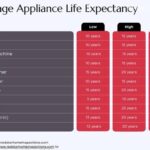 How Long Do Home Appliances Usually Last?
 What to Know About Appliance Installation
 How to Choose Appliances for Allergy Sufferers