
This article delves into crucial information about appliance installation, offering you valuable insights and practical tips to guarantee a seamless process. Whether you’re upgrading your kitchen, installing a new washer and dryer, or setting up a home entertainment system, understanding the key elements of appliance installation will enable you to avoid common pitfalls and make well-informed decisions. Additionally, we will provide suggestions for professional assistance and DIY methods to help you achieve the best outcomes.
Types of Appliances
When it comes to home appliances, there are various types that cater to different needs and functions. Understanding these categories can help you make informed decisions when purchasing and installing them. Below are some common types of appliances:
- Kitchen Appliances: These include refrigerators, ovens, microwaves, dishwashers, and blenders. Each plays a crucial role in food preparation and storage.
- Laundry Appliances: Washing machines and dryers fall into this category, essential for managing clothing care.
- Heating and Cooling Appliances: This includes air conditioners, heaters, and fans, which are vital for maintaining comfortable indoor temperatures.
- Small Appliances: Items like coffee makers, toasters, and food processors are categorized as small appliances, typically used for specific tasks.
Preparation Steps
Before you dive into the installation process, adequate preparation is key to a smooth experience. Here are some steps to consider:
- Read the Manual: Each appliance comes with a manual that provides essential installation instructions and specifications. Familiarize yourself with it.
- Measure the Space: Ensure that the installation area can accommodate the new appliance. Measure dimensions and consider ventilation and accessibility.
- Check for Necessary Utilities: Assess whether electrical outlets, water supply, and proper drainage are available in the installation area.
- Gather Required Documentation: Verify if any permits are needed for installation, especially for major appliances like water heaters or HVAC systems.
Tools Needed
Having the right tools on hand is crucial for a successful installation. Below is a list of commonly needed tools:
- Screwdriver Set: A variety of screwdrivers (flathead, Phillips) will help in assembling parts and securing the appliance.
- Wrench Set: Useful for tightening or loosening nuts and bolts, especially for plumbing and gas connections.
- Level: Ensures the appliance is installed evenly, which is particularly important for refrigerators and washers.
- Tape Measure: Essential for verifying that the appliance fits properly in the designated space.
- Utility Knife: Handy for unpackaging appliances and removing any protective materials.
Installation Process
Once adequately prepared, you can proceed with the installation. While each appliance has its unique steps, the following general process can guide you:
- Unpack the Appliance: Carefully remove the appliance from its packaging, ensuring you do not damage any parts.
- Position the Appliance: Move the appliance to its designated spot, taking care to avoid obstacles and damage to flooring.
- Make Connections: Connect the appliance to electrical, water, or gas lines as applicable. Follow the manufacturer’s instructions closely.
- Level the Appliance: Use a level to check that the appliance is even. Adjust the feet of the appliance if necessary.
- Test the Appliance: Once installed, run a test cycle or power it on to ensure everything functions properly.
Common Mistakes to Avoid
Even with the best preparation, mistakes can occur during installation. Here are some common pitfalls to watch out for:
- Ignoring the Manual: Skipping the manual can lead to mishaps. Always read and follow the manufacturer’s guidelines.
- Forgetting to Check Utilities: Failing to ensure that water, electricity, or gas connections are available can lead to delays and complications.
- Not Leveling the Appliance: An unlevel appliance can cause operational issues and damage over time.
- Neglecting Safety Precautions: Skipping necessary safety measures can result in injuries or accidents.
Safety Tips
Safety should always be a priority during any installation. Follow these tips to ensure a safe experience:
- Turn Off Power and Water: Before starting the installation, ensure that the power supply and water valves are turned off.
- Use Personal Protective Equipment (PPE): Wear gloves, safety goggles, and sturdy shoes to protect yourself from potential hazards.
- Have a Helper: Many appliances can be heavy and awkward to maneuver. Having someone assist you can prevent injuries.
- Check for Leaks: After installation, inspect all connections for any signs of leaks or issues.
When to Call a Professional
While many installations can be handled by homeowners, some situations warrant calling in a professional. Consider reaching out for help in the following cases:
- Complex Installations: If the appliance requires extensive plumbing or electrical work, it’s best to hire a licensed professional.
- Gas Appliances: Installing gas appliances can be dangerous. Always consult a qualified technician for these types of installations.
- Warranty Concerns: If installing the appliance yourself could void the warranty, consider professional installation.
For additional resources and tips, don’t forget to check out our product section on our website, where we provide various guides and information on different appliances. Happy installing!
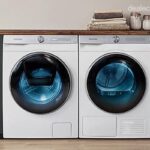 How to Choose Appliances for Allergy Sufferers
 How to Choose a Quiet Fan for Bedrooms
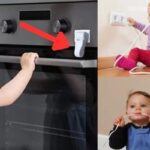 How to Childproof Household Appliances