
In this article, we will delve into the various sounds that household appliances typically produce, assisting you in identifying which noises are normal and which might indicate a problem. We’ll examine common appliances such as refrigerators, dishwashers, and washing machines, providing valuable insights into what to listen for and offering suggestions for when to seek professional help. By the end, you’ll have a clearer understanding of your appliances’ sounds and how to maintain them effectively.
Understanding Appliance Sounds
Appliances are an integral part of our daily lives, making household tasks easier and more efficient. However, every appliance produces sounds that can sometimes be concerning. Understanding what these noises mean can help you determine whether your appliance is functioning properly or if it requires attention. This article aims to provide insights into common appliance sounds, when to worry about them, and tips on how to reduce and maintain appliance noise.
Common Noises to Expect
Every appliance has its own set of sounds that are generally considered normal. Here are some of the most common noises you might encounter:
- Refrigerators: A humming sound is typical as the compressor runs. You may also hear clicking or popping noises when the defrost timer engages.
- Washing Machines: A swishing sound is common during the wash cycle, while a clunking noise might occur during the spin cycle if there are unbalanced loads.
- Dryers: A tumbling sound is expected, but if you hear rattling or banging, it may indicate that something is caught in the drum.
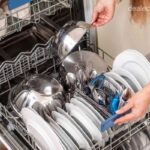
- Dishwashers: Water swishing and splashing sounds are normal, but a grinding noise could signal a problem with the spray arm or filter.
When to Worry About Noises
While many appliance sounds are normal, some may indicate underlying issues that require attention. Here are a few warning signs to look out for:
- Unusual Sounds: If you hear sounds that are significantly louder than usual, such as grinding, screeching, or rattling, it may suggest a malfunction.
- Inconsistent Performance: If an appliance is not operating as efficiently as it once did, accompanied by strange noises, it might be time for a check-up.
- Frequent Noises: If you notice abnormal sounds occurring frequently rather than sporadically, this could be a sign that a part is wearing out.
Identifying Specific Appliance Sounds
Understanding specific sounds can help you diagnose potential issues with your appliances. Here are some sounds and their possible meanings:
- High-Pitched Whining: Often heard in refrigerators, this could indicate a failing compressor or fan motor.
- Buzzing or Clicking: In dishwashers, this might suggest a malfunctioning pump or an obstruction in the spray arm.
- Thumping or Banging: In washing machines, this can be due to an unbalanced load, but it might also indicate a malfunctioning suspension system.
- Hissing: This sound may indicate a refrigerant leak in your refrigerator or air conditioning unit.
Tips for Reducing Appliance Noise
If you’re looking to minimize the noise produced by your appliances, here are some effective tips:
- Level Your Appliances: Ensure that your washing machine and dryer are level to reduce vibrations that can lead to excessive noise.
- Add Soundproofing: Consider placing soundproof mats or pads under noisy appliances to absorb vibrations and reduce sound.
- Regularly Inspect and Tighten Parts: Loose parts can cause rattling and banging noises, so check and tighten screws and bolts regularly.
- Keep Appliances Clean: Dust and debris can cause appliances to work harder and create more noise. Regular cleaning can help maintain optimal performance.
Maintenance to Prevent Noise Issues
Routine maintenance is key to preventing noise-related problems with your appliances. Here are some maintenance tips:
- Follow Manufacturer Guidelines: Consult your appliance’s manual for specific maintenance recommendations and schedules.
- Inspect Hoses and Filters: Regularly check and clean hoses and filters to ensure proper operation and reduce noise.
- Schedule Professional Inspections: Consider hiring a professional for annual inspections to catch any potential issues before they become serious.
Conclusion: Noise Awareness
Understanding the sounds your appliances make is crucial for maintaining a peaceful home environment. By identifying normal versus problematic noises, you can address issues before they escalate. Regular maintenance and noise-reducing strategies can extend the life of your appliances and enhance your daily comfort. For more information and ideas, don’t hesitate to check out our product section on our website for tools and resources that can help you manage appliance noise effectively.
 How to Prevent Rust on Appliances
 How to Spot Fake Online Appliance Reviews
 How to Load a Dishwasher for Best Results