As the summer heat intensifies, ensuring your air conditioning system operates efficiently becomes paramount for both comfort and energy savings. This article will cover practical tips and strategies to enhance your AC’s performance, from regular maintenance to smart usage habits. By implementing these ideas, you can not only keep your space cool but also reduce energy costs during the hottest months of the year.
Regular Maintenance Tips
Ensuring your air conditioning (AC) unit runs efficiently throughout the summer requires a commitment to regular maintenance. This not only enhances performance but can also extend the lifespan of your unit. Here are some key maintenance tips to keep in mind:
- Clean or Replace Filters: Clogged filters can restrict airflow and reduce efficiency. Check your filters monthly and replace them every 1-3 months, depending on usage.
- Inspect the Condenser Unit: Keep the outdoor unit free from debris such as leaves, dirt, and grass clippings. Clear a two-foot radius around the unit for optimal airflow.
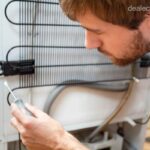
- Schedule Professional Inspections: At least once a year, have a certified technician inspect your system. They can identify potential issues before they become costly repairs.
Optimize Thermostat Settings
Your thermostat plays a crucial role in maintaining your home’s temperature efficiently. Adjusting your thermostat settings can lead to significant energy savings. Here are some tips:
- Set the Temperature Wisely: Aim for a temperature setting of around 78°F when you’re home. For every degree higher, you can save about 3% on cooling costs.
- Use a Programmable Thermostat: This allows you to set different temperatures for different times of the day, ensuring your AC is not working harder than necessary when you’re away.
- Consider Smart Thermostats: Smart thermostats learn your habits and can optimize cooling schedules automatically, providing convenience and efficiency.
Seal and Insulate Your Home
Effective sealing and insulation can significantly lower the amount of cooled air that escapes from your home, thereby improving your AC’s performance. Here are some recommendations:
- Seal Windows and Doors: Utilize weather stripping and caulk to close off gaps around windows and doors, stopping cool air from leaking out.
- Insulate Attics and Crawl Spaces: Adequate insulation in these areas can help to prevent heat gain during the summer months.
- Install Thermal Curtains: These curtains can effectively block the sun’s heat during the hottest parts of the day, ensuring your home stays cooler.
Utilize Ceiling Fans
Ceiling fans can complement your air conditioning system and help distribute cool air more evenly throughout your home. Here’s how to make the most of them:
- Rotation Direction: Ensure your ceiling fans rotate counterclockwise in the summer to create a wind-chill effect, making you feel cooler.
- Use Fans Wisely: Turn off ceiling fans when you leave a room, as they cool people, not spaces.
- Combine with AC: Use ceiling fans in conjunction with your AC to allow you to set the thermostat a few degrees higher while maintaining comfort.
Limit Sunlight Exposure
Excessive sunlight can raise your home’s temperature, making your AC work harder. Here are some strategies to limit sunlight exposure:
- Close Blinds and Curtains: Keep blinds or curtains closed during the hottest parts of the day to block out direct sunlight.
- Use Reflective Window Film: This can help reduce heat gain while still allowing light to enter your home.
- Plant Shade Trees: Strategically planting trees or installing awnings can provide natural shade and significantly reduce heat absorbed by your home.
Upgrade to Energy-Efficient Models
If your AC unit is old or inefficient, consider upgrading to a more energy-efficient model. The initial investment can lead to long-term savings. Here are a few things to keep in mind:
- Look for ENERGY STAR Ratings: Units with this label meet strict energy efficiency guidelines set by the EPA.
- Consider SEER Ratings: The Seasonal Energy Efficiency Ratio (SEER) measures the efficiency of AC units. A higher SEER rating indicates better efficiency.
- Choose the Right Size: An oversized or undersized unit can lead to inefficiency. Consult with a professional to determine the right size for your space.
Monitor and Adjust Airflow
Proper airflow is essential for efficient cooling. Monitoring and adjusting airflow can make a significant difference in your AC’s performance. Consider these tips:
- Check Vents and Ducts: Ensure that vents are not blocked by furniture or obstructions, and consider having ducts cleaned to improve airflow.
- Use Dampers: If your home has multiple zones, dampers can help direct airflow where it’s needed most, enhancing comfort and efficiency.
- Inspect for Leaks: Leaky ducts can waste a considerable amount of energy. Seal any leaks to ensure your cooled air is delivered efficiently.
By implementing these strategies, you can significantly enhance the efficiency of your air conditioning system during the summer months. For more tips and ideas, feel free to browse through our product section on our website for tools and resources that can help optimize your home’s comfort.