
In this article, we will delve into the crucial factors to consider when choosing an energy-efficient washer for your household. As energy prices continue to climb and the emphasis on sustainability grows, selecting the appropriate washing machine can greatly influence both your utility expenses and your environmental footprint. We will offer valuable recommendations, including important features to watch for, comparisons of various models, and practical advice on how to enhance efficiency in your laundry routine.
Key Features to Consider
When selecting an energy-efficient washer, there are several essential attributes that can significantly influence your decision. Here are some key features to keep in mind:
- Load Capacity: Choose a washer that aligns with your laundry needs. Larger capacity models can handle more clothes, potentially reducing the number of cycles you need to run.
- Spin Speed: A higher spin speed can extract more water from clothes, which can lead to shorter drying times and less energy consumption.
- Wash Cycles: Look for models that offer a variety of wash cycles tailored to different fabric types and soil levels, which can help optimize water and energy use.
- Water Temperature Settings: Washers that allow you to control water temperature can help you save energy, especially if you can wash clothes in cold water.
- Smart Features: Some modern washers come equipped with smart technology that can optimize wash settings based on load size and fabric type, leading to more efficient operation.
Understanding Energy Ratings
Decoding efficiency labels is crucial when you are in the market for an energy-efficient washer. Here are some commonly used ratings:
- Energy Star Certification: Appliances that earn this label meet strict energy efficiency guidelines set by the U.S. Environmental Protection Agency (EPA). Choosing an Energy Star-certified washer typically means lower energy and water usage.
- CEE Ratings: The Consortium for Energy Efficiency (CEE) provides tiered ratings (1 to 3) for washers based on their performance. Higher tiers indicate greater efficiency.
- Water Factor: This metric measures the amount of water used per cubic foot of laundry. A lower water factor indicates a more efficient washer.
Cost vs. Savings
Evaluating long-term expenses is essential for making a smart investment in an energy-efficient washer. Here’s how to break it down:
- Initial Purchase Price: Energy-efficient washers may come with a higher upfront cost, but it’s important to consider the potential savings over time.
- Energy Costs: Look at the estimated annual energy consumption provided on the energy label. Calculate how much you will save on your electricity bill by choosing a more efficient model.
- Water Savings: Consider how much water you will save with an efficient washer, which can also lower your water bill.
- Longevity: Energy-efficient washers are often built to last longer, saving you money on replacements and repairs.
Top Energy-Efficient Brands
Leading manufacturers in efficiency often prioritize eco-friendly technology in their washer designs. Here are some brands known for their energy-efficient models:
- LG: Renowned for its innovative technology and high-efficiency models, LG offers a variety of washers that consistently receive excellent energy ratings.
- Samsung: With advanced features and smart technology, Samsung’s washers are designed for optimal performance and energy savings.
- Whirlpool: A trusted name in home appliances, Whirlpool provides energy-efficient washers that balance performance with sustainability.
- Bosch: Known for compact models, Bosch focuses on energy efficiency without compromising on performance.
For a more comprehensive range of options, be sure to check out our product section on our website.
Maintenance Tips for Longevity
Keeping your washer in top shape is essential for maintaining its efficiency and extending its lifespan. Consider the following maintenance tips:
- Regular Cleaning: Clean the detergent dispenser, door seals, and drum to prevent residue buildup that can affect performance.
- Check Hoses: Inspect hoses for signs of wear and replace them as needed to prevent leaks and ensure proper water flow.
- Level the Washer: Ensure your washer is level to reduce vibration and wear on components.
- Run Maintenance Cycles: Many washers have self-cleaning cycles specifically designed to maintain efficiency and performance.
Real User Reviews
Insights from actual customers can provide valuable information when choosing an energy-efficient washer. Here are some common themes found in user reviews:
- Performance: Many users praise energy-efficient washers for their cleaning performance, often noting that they get clothes cleaner than traditional models.
- Noise Levels: Customers appreciate quieter operation, particularly with front-load washers, which can be a significant improvement over older machines.
- Water and Energy Savings: Many users report noticeable reductions in their water and energy bills after switching to an energy-efficient washer.
Environmental Impact
The advantages of adopting green practices in laundry go far beyond just personal financial savings. Opting for energy-efficient washers can significantly influence the environment in several ways:
- Reduced Water Usage: Energy-efficient washers are engineered to consume less water, aiding in conservation efforts and alleviating pressure on local water resources.
- Lower Energy Demand: By using less electricity, these washers contribute to a decrease in greenhouse gas emissions linked to electricity generation.
- Waste Reduction: Many high-quality energy-efficient washers have a longer lifespan, which means less frequent disposal of appliances and a reduction in landfill waste.
In conclusion, choosing an energy-efficient washer requires an understanding of essential features, energy ratings, the balance between cost and savings, and brands recognized for their efficiency. By taking maintenance into account and learning from actual user feedback, you can make a well-informed choice. Moreover, the environmental advantages of selecting an energy-efficient washer are crucial and should be given due consideration. For additional details and product options, please visit our website.
 What Is a Range Hood and Why You Need One
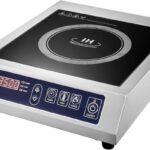 What Is a Countertop Burner and Who Needs One?
 How to Choose the Right Refrigerator Size