
In this article, we will delve into the best practices for maintaining your appliances as the seasons change. Seasonal maintenance is vital for guaranteeing the longevity and efficiency of your appliances, and we will offer practical tips and suggestions to assist you in keeping them in optimal condition. From cleaning to inspections, you’ll uncover essential tasks to complete during various times of the year that will enhance performance and help you avoid costly repairs.
Essential Appliance Checklists
Maintaining your appliances is crucial to prolonging their lifespan and ensuring they operate efficiently. Here’s a checklist to help you stay on top of essential maintenance tasks.
Key Maintenance Tasks
- Clean refrigerator coils: Dust and debris can accumulate, causing your fridge to work harder.
- Check and replace filters: This includes water filters in refrigerators and air filters in HVAC systems.
- Inspect hoses and connections: Look for leaks in dishwashers, washing machines, and refrigerators.
- Test smoke and carbon monoxide detectors: Replace batteries and ensure they are functioning correctly.
Seasonal Inspection Tips
As seasons change, so should your maintenance routine. Here are some tips to keep in mind:
- Spring: Check your air conditioning unit and clean the outdoor condenser.
- Summer: Ensure your refrigerator is operating at optimal temperatures, especially with increased food storage.
- Fall: Prepare your heating system for winter by cleaning vents and checking for obstructions.
- Winter: Monitor your home’s humidity levels to prevent condensation in appliances.
Energy Efficiency Optimization
Improving energy efficiency not only saves you money but also reduces your environmental footprint. Here are some strategies to consider.
Tips for Energy Savings
- Use energy-efficient settings: Many modern appliances come with eco-friendly modes.
- Unplug unused appliances: Devices left on standby still consume energy.
- Utilize timers: Schedule your dishwasher or washing machine to run during off-peak energy hours.
Upgrading Appliances
If your appliances are older, it may be time to consider an upgrade. Energy-efficient models can significantly reduce your electricity bill. Look for appliances with the ENERGY STAR label, which indicates they meet strict energy efficiency guidelines.
Common Seasonal Issues
Every season brings its own set of challenges for household appliances. Being aware of these can help you address issues before they escalate.
Typical Problems to Watch For
- Clogged drains: Common in dishwashers during the summer months due to increased usage.
- Frozen pipes: Heat loss can lead to freezing in washing machines and refrigerators during winter.
- Mold buildup: High humidity in summer can create ideal conditions for mold in washing machines.
Preventative Measures
To mitigate seasonal problems, consider the following:
- Regularly clean your appliances: This helps prevent buildup and ensures they run efficiently.
- Monitor humidity levels: Use dehumidifiers in humid months to protect appliances.
- Insulate pipes: This can prevent freezing during the colder months.
When to Call a Professional
While some maintenance tasks can be handled on your own, knowing when to seek professional help is vital.
Signs You Need Help
- Unusual noises: Grinding or banging sounds can indicate mechanical issues.
- Leaking water: Puddles around your appliances can signal a serious problem.
- Frequent breakdowns: If you’re calling for repairs often, it may be time for a replacement.
Finding a Reliable Technician
When looking for a technician, consider these tips:
- Ask for recommendations: Friends and family can provide valuable insights.
- Check reviews: Online platforms can help you gauge the reliability of a technician.
- Verify credentials: Ensure they are licensed, insured, and have experience with your specific appliance issues.
DIY Maintenance Tips
If you’re ready for some hands-on maintenance, several simple repairs can be accomplished without the need for professional assistance.
Simple Repairs You Can Do
- Replacing light bulbs: A straightforward task for refrigerators and ovens.
- Cleaning filters: Most appliances are equipped with filters that can be easily cleaned or replaced.
- Adjusting appliance leveling: This ensures efficient operation and helps prevent vibrations.
Tools You’ll Need
Before beginning any DIY maintenance, make sure to gather these essential tools:
- Screwdriver set: Necessary for opening panels and replacing parts.
- Pliers: Useful for gripping and twisting.
- Cleaning supplies: Microfiber cloths and all-purpose cleaners.
- Multi-meter: For checking electrical connections.
Storing Appliances During Off-Season
If you have seasonal appliances, proper storage is key to maintaining their condition.
Best Practices for Storage
- Clean thoroughly: Ensure appliances are free from food residue and moisture before storing.
- Remove batteries: For appliances that run on batteries, remove them to prevent leakage.
- Wrap cords: Securely wrap cords to avoid tangling and damage during storage.
Protecting Against Damage
To prevent damage while in storage, consider these tips:
- Use protective covers: Keep dust and moisture at bay.
- Store in a climate-controlled area: Avoid extreme temperatures that can affect appliance functionality.
- Keep appliances elevated: Use pallets or shelves to prevent water damage from ground moisture.
By following these guidelines, you can ensure your appliances remain in top condition all year round. For more information on appliance care, don’t forget to check out our product section on the website for additional resources and ideas!
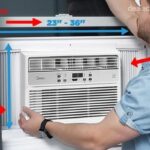 Window Air Conditioner Size Guide
 Ducted vs Ductless Range Hoods Explained
 How to Choose Appliances for Seniors